
The Hidden Value Of Working With A Design Build Company
When most people imagine building a custom home or working on a home remodel, they picture two separate worlds: the construction side — foundations, framing, roofing, and systems — and the design side — finishes, furnishings, colors, and style. In the traditional model, these worlds don't often meet until late in the process, sometimes after walls are already up. The result is a home built to a set of architectural plans that was never fully informed by how the spaces will actually look and feel to live in.
A design-build company changes that entire experience by bringing design and construction together from the very beginning.
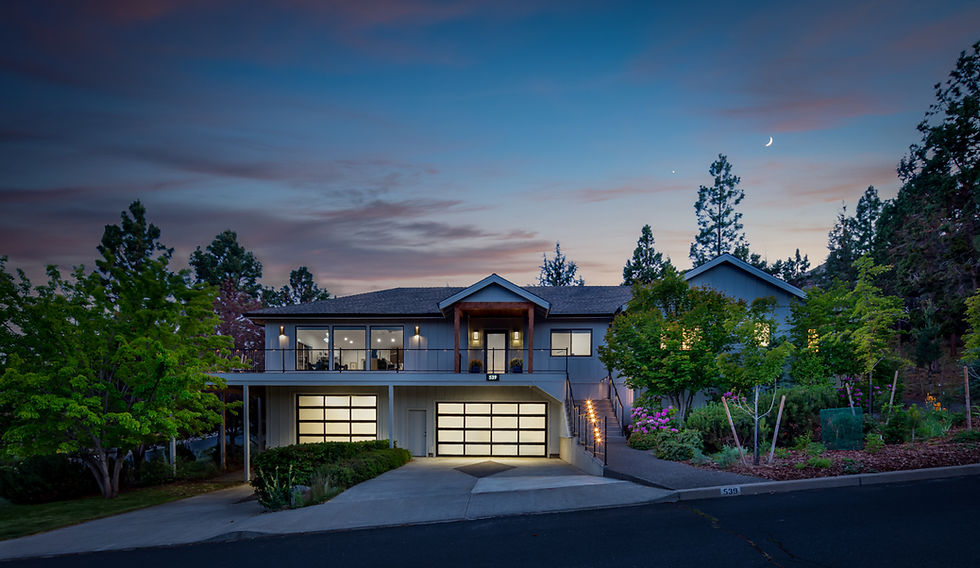
What Is A Design-Build Company?
A design-build company is a single business that handles both the design and the construction of the project, whether it’s a remodel, home addition, or custom home build.
Rather than hiring separate architects, interior designers, and contractors who work independently, you work with one integrated team that collaborates throughout the entire project.
The result is a more efficient process, clearer communication, and a home that’s thoughtfully designed from concept through completion.
Advantages Of Working With A Design-Build Company
There are many benefits of working with a design-build company on a home remodel or home build. A few of the greatest advantages include a streamlined process, adaptability, budget transparency, faster timelines, and more realistic planning.
Streamlined Process
Home construction projects involve hundreds of decisions and countless moving parts. When your design and construction teams work for the same company, you don’t have to coordinate between multiple firms or wonder whether everyone is on the same page. Communication happens internally, allowing your project to move forward more efficiently while giving you a single point of contact throughout the process.
Instead of managing the team, you can focus on enjoying the experience of creating your new home.
Easier Adaptability
Everyone working together also means that when plans change, your project can more easily be updated. If you find pendant lights you love and would like to incorporate into your space, your design team can coordinate with your construction team to ensure the lights you love are added in a way that fits your build.
And the reverse is true. If your construction team finds that it would be more cost-effective for you to swap two of the rooms in your planned layout because of the features of the land you are building on, the design team is there to ensure the swap still flows seamlessly with your home’s layout and design elements.
Having these teams under a single umbrella of a design-build company allows for easier adaptability when plans change, no matter if the change is construction-driven or design-driven.
Realistic Planning
Imagine you’ve spent months working with a design team to create your dream kitchen as part of a remodel. A design complete with luxury kitchen remodel ideas like soapstone countertops, oak flooring, custom cabinetry, hand-glazed, full tile backsplash, oversize island, walk-in pantry, professional grade appliances, only to find that your current space won’t support the layout without extensive plumbing changes that would set your project timeline back. Now you need to go back to your design team for a new layout that works with this plumbing hitch.
A design-build company helps prevent these situations by ensuring designers and builders collaborate from day one. Every design decision is evaluated against real construction conditions, resulting in plans that are both beautiful and achievable.
Potential Of Faster Timelines
When everyone on your project team is together under one company, decisions happen more efficiently, and potential issues are identified earlier.
Instead of waiting for information to move between multiple companies, questions are resolved internally, helping reduce unnecessary delays and keeping projects moving towards completion.
While every project is unique, this collaborative approach often results in a smoother process and the potential for a shorter overall timeline.
Budget Transparency
With a design-build company, your budget becomes an active part of the design process—not a final test your plans have to pass. As your project evolves, your design and construction teams work together to evaluate how each decision affects the overall investment. If you decide to incorporate a statement staircase, expand the kitchen, or upgrade to custom cabinetry, you'll understand how those choices influence the budget before construction begins.
This collaborative approach also allows for thoughtful value engineering throughout the design process. Rather than simply cutting costs when a project exceeds budget, your team can recommend alternative materials, construction methods, or design solutions that preserve the overall vision while making the best use of your investment. The goal isn't to make the project less expensive—it's to ensure your budget is spent where it delivers the greatest impact on your home's beauty, functionality, and long-term value.
Perhaps most importantly, budget transparency helps prevent homeowners from investing months into designing a home that ultimately exceeds their financial comfort level. By continually aligning design decisions with construction costs, a design-build team creates a project that is both inspiring and achievable, reducing costly redesigns and helping you move into construction with confidence.
Hidden Benefits Of Working With A Design-Build Company
Beyond these more straightforward advantages of a design-build company, there are several benefits that are much less obvious unless you’ve been through the process before.
Integrated Decision Making
Here's what most homeowners don't realize until they're deep into a project: nearly every interior design decision has a structural or systems consequence, and nearly every construction decision shapes what's possible on the design side. These two worlds are inseparable — and treating them as separate is where custom home projects and remodels can run into trouble.
Consider a few examples:
The ceiling treatment you want in your great room — whether it's a flat drywall ceiling, exposed timber beams, or a dramatic coffered design — directly influences how the roof is engineered and framed. That decision needs to be made before a single board goes up, not after.
The kitchen layout you've envisioned, with a large island, a professional range on an exterior wall, and a pot filler above the cooktop, requires specific rough-in locations for gas, electrical, and plumbing that must be planned before concrete is poured or walls are closed.
The wide-plank white oak floors you've fallen in love with require a subfloor system built to support them.
When working with a design-build company, these decisions are integrated from the beginning with the full picture in view. When it's added later, you're often working backward — retrofitting a design vision into a structure that wasn't built to support it. This is where many projects run into problems that are eliminated when you work with a design-build firm.
One Team, One Vision, One Accountability
Perhaps the most underappreciated benefit of the design-build model is simply clarity. When your architect, builder, and interior designer are all under one roof, there’s no confusion about responsibilities and no finger-pointing when questions arise. Everyone shares the same vision, the same goals, and the same commitment to delivering an exceptional finished home. You have one point of contact, one team invested in your outcome, and one shared standard for what the finished home should be.
In a region like Central Oregon — where custom homes often involve complex sites, capturing dramatic views, challenging weather to design around, and a strong aesthetic rooted in the natural landscape — that kind of cohesion isn't just convenient. It's the difference between a house that was built and a functional and intentional home being created.
Budget Maximization
Late design decisions are expensive decisions. Change orders — modifications made after construction has begun — are one of the most significant sources of budget overruns in custom home building and home remodel projects. Moving a plumbing rough-in after walls are framed, rewiring an electrical panel because the lighting plan changed, or reframing a doorway because the furniture layout requires it — these are all costs that compound quickly and that a well-integrated process largely prevents.
Beyond the financial impact, late design decisions create scheduling pressure. Your builder is waiting on your tile selection to schedule the tile setter. Your cabinet maker needs final measurements before they can begin fabrication. When the design process is sequential rather than integrated, each delay cascades into the next, stretching your timeline in ways that could have been avoided had you elected to work with a design-build team.
Choosing A Design-Build Company
Choosing a design-build company is about more than simplifying the construction process. It's about bringing design, budgeting, planning, and construction together from the very beginning so every decision supports your vision, your investment, and the long-term performance of your home. Whether you're building a luxury custom home or transforming your existing home through a high-end remodel, an integrated team helps eliminate unnecessary surprises while creating a more intentional, cohesive result.
At PGC Building + Design, we've spent more than two decades helping homeowners throughout Bend and Central Oregon bring their homes to life through a collaborative design-build process. Our architects, designers, and construction professionals work together, combining creative design, expert craftsmanship, and transparent communication to guide you from start to finish. The result is a home that not only reflects your lifestyle and personal aesthetic but is thoughtfully designed, expertly built, and crafted to be enjoyed for years to come.


